
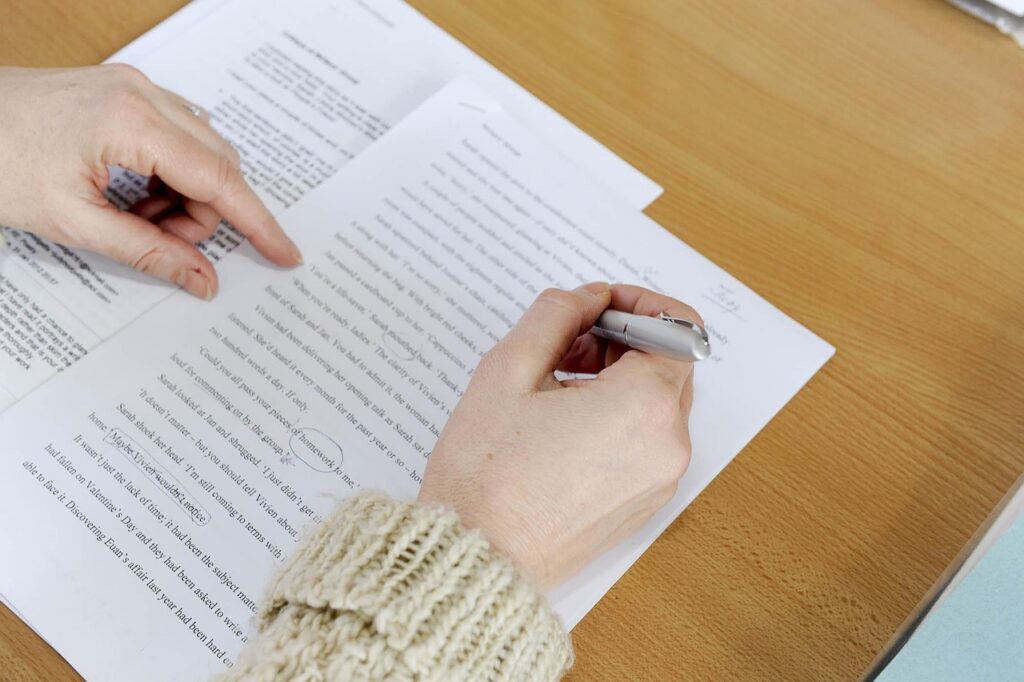
Self-publishing a book can cost almost nothing or several thousand dollars, depending on what you pay professionals to do and what you do yourself. Uploading a book to a major platform is typically free. The real costs come from editing, cover design, formatting, and marketing, and those choices shape how professional the finished book looks next to traditionally published titles. This guide breaks down the main costs of self-publishing, where you can save, and where cutting corners usually backfires.
The Short Answer
A bare-bones self-published ebook can cost close to nothing if you edit, design, and format it yourself. A professionally edited and designed book usually costs much more, with editing typically the largest expense. The biggest variables are the length of your manuscript and how much editing it needs.
1. Editing
Editing is where most self-publishing budgets go, and it is the expense most worth protecting. There are several levels:
- Developmental editing looks at the big picture: structure, plot, pacing, character, and argument.
- Copyediting works line by line on grammar, consistency, clarity, and style.
- Proofreading is the final check for typos and formatting errors before publication.
The Editorial Freelancers Association (EFA) publishes median rates from a survey of its members conducted between November 2025 and January 2026. Its median copyediting rates for fiction were 2.0 to 2.7 cents per word, and its median proofreading rates for fiction were 1.2 to 2.0 cents per word. Nonfiction rates were higher. For an 80,000-word novel, those medians work out as follows:
| Service (fiction) | EFA median rate | 80,000-word novel |
|---|---|---|
| Copyediting | 2.0 to 2.7 cents per word | $1,600 to $2,160 |
| Proofreading | 1.2 to 2.0 cents per word | $960 to $1,600 |
The EFA notes that rates vary with the type of work, turnaround time, expertise, cost of living, and experience, so individual quotes can be higher or lower. Developmental editing is quoted in many different ways and often costs more.
Ways to save: use beta readers and critique partners before hiring an editor, self-edit thoroughly so the editor spends time on real problems, and consider a manuscript assessment instead of a full developmental edit.
2. Cover Design
Readers judge books by their covers, especially online, where a cover is a thumbnail competing with hundreds of others. Options range from premade covers, which are designed in advance and customized with your title, to fully custom designs. Print books need a full wrap with spine and back cover, which costs more than an ebook front cover alone. A cover that clearly signals its genre is worth more than one that is merely pretty.
3. Interior Formatting
Formatting turns your manuscript into a properly laid out ebook and print interior. Many authors format their own books using dedicated formatting software or templates, which can be a one-time purchase or free. Books with complex layouts, such as cookbooks, illustrated books, or heavily designed nonfiction, usually benefit from a professional designer.

4. ISBNs
An ISBN identifies a specific edition of a book. In the United States, ISBNs are sold by Bowker, and buying them in blocks costs less per number than buying them one at a time. Some self-publishing platforms, including KDP for paperbacks, offer a free ISBN, though that can limit how the publisher of your book is listed. If you want your own imprint listed as the publisher, buy your own ISBNs and check current pricing directly with Bowker.
5. Printing and Distribution
With print-on-demand, you do not pay to print copies in advance. The printing cost is deducted from each sale. Amazon KDP, for example, calculates printing cost as a fixed amount plus a per-page amount; its own example of a 300-page black ink paperback on Amazon.com comes to $4.60 per copy. You pay only if you order author copies for events or giveaways. Offset printing in bulk can lower the cost per book but requires paying for inventory up front and storing it.
6. Audiobook Production
Audiobooks are optional but increasingly popular. Costs depend on book length and on whether you hire a professional narrator, split royalties with a narrator, or narrate the book yourself with good equipment and editing.
7. Marketing
Marketing costs are the most flexible. Common expenses include advertising on retail platforms and social media, newsletter promotions, advance review copies, a website, and an email marketing service. Some authors spend very little and grow slowly through newsletters and word of mouth; others budget monthly for ads. It is wise to start small, track results, and scale only what works.
Sample Budgets
| Approach | What you pay for | What you do yourself |
|---|---|---|
| Lean | Proofreading, premade cover | Self-editing with beta readers, formatting, marketing |
| Balanced | Copyediting, proofreading, custom ebook and print cover | Formatting with software, most marketing |
| Full service | Developmental edit, copyedit, proofread, custom cover, professional formatting, audiobook, ad budget | Writing and promotion strategy |
Watch Out for Expensive “Packages”
Some companies sell self-publishing packages that bundle services at high prices, sometimes with add-ons of little value. Before paying, ask for an itemized list of what you get, who owns the files, what royalties you will receive, and whether you can leave and take your book with you. Writer Beware, a project of the Science Fiction and Fantasy Writers Association, warns that refusing to give a firm price up front and adding fees not in the contract are warning signs. See our guide to hybrid publishing and its red flags for more.
The Bottom Line
Self-publishing itself is inexpensive; publishing a book that competes with professional titles costs more. Put your money first into editing and a genre-appropriate cover, save where you can do quality work yourself, and treat marketing as an experiment you scale based on results. A realistic budget, planned before you publish, is one of the best predictors of a book that looks and sells like it belongs on the shelf.